Ground Up 17: The Need for Speed with Joe Kennedy
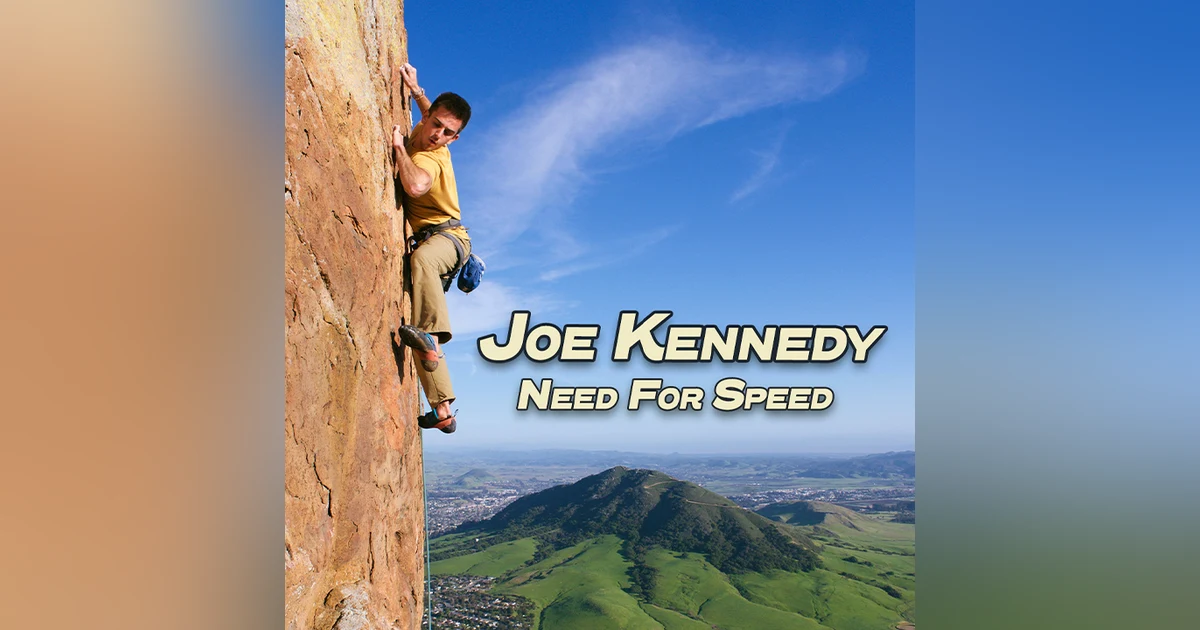


Speed climbing is the ultimate culmination of dozens, if not hundreds, of hours spent dialing in beta, trimming the rack, and pushing the body to move as quickly up the wall as possible. Few do it better than today's guest, Joe Kennedy, a speed climbing phenom who holds the record for the fastest bridge to bridge ascent of the legendary Naked Edge in Eldorado Canyon. He’s also known for blazing through the Flatirons, either solo or with Satan's Minions, and holds the fastest known times on "Roach’s Top 10" and the grueling "33 Spring Classics." Joe takes us through where he got the need for speed, how he teamed up with Stefan Griebel to take down the Naked Edge record, and what other epic link-ups he's got on the horizon.
-
The Naked Edge Speed Record Video: https://vimeo.com/764407847
The 33 Spring Classics: https://www.strava.com/activities/9090791867/overview
Roach's Top 10: https://www.strava.com/activities/9899803294/overview
-
Follow along on Instagram: @listentogroundup
https://www.instagram.com/listentogroundup/
0:00 Robert Tilt your screen up a little bit, just barely. Money. Joe Cool. Robert Dialed. Love it, love it. Ari Grode How do things look on my side, Rob? Robert I mean, as good as they're gonna get, Ari. Ari Grode Yeah. Robert No, looks solid, looks solid. um Ari Grode I do hate this this door right here, but you should see this room. It's it's like a disaster. Robert Can you not just turn your stuff to like the little, turn it to your right? Ari Grode I can a little, but then it looks weird. Robert What you mean, dude? Door's gone. Ari Grode Doesn't that look kind of weird? Robert Nah, it's not bad. Maybe a little left, a little back. o Oh, that's a little hot. low look Come a little for it. Yeah, there you go.
0:40 Ari Grode Yeah, you think that's okay? I mean, then the door's still there. Robert I mean, hey, I got a trampoline and a door behind me. I'm not even in my setup, so it'll be all right. Robert So you're based in Denver as well, right, Joe? Ari Grode Well, he's got the primo access to all the rock, even Denver's kind of far. Joe Uh, in Boulder. Robert In Boulder, okay, cool, very cool. Joe Yeah, so just up the road, not too far away. Robert Not bad at all, man. Robert Yeah, I was going to say he's he's in like the the actual sweet spot. He's like in it, which is pretty rad. I'm usually in New York, so I'm super jealous of both of your outdoors access regardless, but I'm traveling right now, so it should be good.
1:23 Joe Oh, nice. Robert Yeah, yeah. Ari Grode You been in Boulder a while, Joe? Joe um I've been there like three and a half years or be yeah been here like three and a half years or so. and yeah it's ah Initially, I thought I would move here for a little while and just sort of you know see how it is. Try out the access and then maybe move move somewhere else and then pretty quickly got ah got stuck and realized that there were a lot of things that were a bit too good to pass up and that moving anywhere else would probably be a downgrade as far as ah the the weekly enjoyment levels go. Robert Yeah, that checks out. where Where did you move from? Joe ah so I went to school in Central California in San Luis Obispo, actually with ah Mike Palmer.
2:06 Robert Okay. Joe um yeah and then ah but I grew up in Indiana, so Midwest, born and raised. and then After going to school in California, I realized that there were it was a lot more fun to be had outside of ah the flatlands. Ari Grode Okay, right on. Robert Yeah, that that checks out for sure. where So were you into like the outdoor adventure sport world before moving to Boulder? Or was it like, I want to move to Boulder because I want to kind of try to get into this stuff? Or was it? you were It was on the map because of your app activities and hobbies. Joe Yeah, i mean at the very end of high school in Indiana, I had a friend, a showing super good friend in high school, Gloria, whose older brother lived out in Flagstaff. and you know All I knew was that he was like a rock climber and lived in Flagstaff. and Through him and through Gloria, i you know we went to the gym a few times in high school, and she was like, oh, it's really cool, I swear. um you know She'd been out to visit him in Flagstaff, and they'd climbed together a little bit. She introduced me to that world, but this was still in Indiana, so there was a little gym nearby, and you'd go there. and um you know After a handful of months of that, I ended up going on a trip to the Red with some of my high school friends.
3:20 Joe and I think after that I realized like whoa, this is this is some pretty fun stuff um But that was at the very end of high school and I already knew I was gonna go to California for school um So, you know the access is without a doubt much better in California even even on the Central Coast that it is in the Midwest so Things change pretty quick once I moved out there Ari Grode Yeah, I mean, shout. Robert I can imagine, I can imagine. Do you remember what you got on at the Red, that that first fateful trip? Joe Oh gosh. it was a I mean, I was i was pretty pretty new. um I remember the my my first lead you know outside ever was this like awful 5.9 slab on the far left side of the chocolate factory. I don't know how much hell much time you guys have spent there. but ah I got a couple bolts up and ended up just like slipping off and taking ah you know a nasty little slab fall.
4:15 Joe and It was pretty hilarious. I mean i think i think the hardest thing we I got on on that trip was like maybe ah you know a 10A or a 10B or something. oh but Either way, it was pretty mind blowing. Robert Yeah, I mean, yeah, yeah. Five, nine whips. I mean, that'll, that'll get the heart raising to the point where he's like, I'm locked in. Let's do it. Life for here. Joe exactly yeah Ari Grode Yeah, quick quick shout out to all the Red River Gorge Climbers. I feel like ah the people who climb there, that it's like it for where it's located it draws such a wide radius of climbers like everyone from the midwest is like yeah we just make the eight hour drive every weekend like to the red it's like what i'm from michigan myself but um Robert It's crazy. Joe oh yeah Robert I have, I have friends from New York that have driven to the red multiple times. I'm like, what are you doing? Like, have you ever heard of an airplane? Like go fly there, rent a car.
5:04 Robert Like it'll be all right. Like you don't need to drive 14 hours, but for whatever reason, people are up for it. I mean, it's obviously an incredible spot, but the distances people will go to get there is always surprising because there's some, there's some crags along the way, you know? Joe Oh yeah. Oh, yeah. Yeah, one of those places I think there's there's a lot of info about and it's got, you know, something for every, every grade level, every like style of climbers. So it's a, I don't know, the accessibility seems to draw people from pretty much everywhere, which is pretty cool. Robert Yeah, that makes sense. Ari Grode Yeah, that's true. I mean, from, from a like sport bolted classic standpoint, it's hard to be, especially like at the moderate level, you know, you can, there's classic pitches like at every grade.
5:45 Ari Grode So yeah, for sure. Other than maybe like horseshoe Canyon ranch from a moderate bolted perspective. Joe Oh, yeah. Ari Grode I feel like the red is definitely up there. Robert All right, so you were you went to the red. Ari Grode Sick. Robert You go to school in San Luis Obispo. Robert Was it all of a sudden you were like, OK. Um, using weekends during, during school to kind of like really lean into climbing more, or was it, you still kind of dabbled a bit in college and then once you graduate, it's kind of more of when you got into it or how did it all progress? Joe Yeah, so pretty much the moment I moved out there, i we we had this really cool like little campus climbing wall that was actually outside. um you know Central California, it's nice weather all the time, so it would it was you know it was great conditions all year. Robert o Joe um and I met a bunch of people who had grown up rock climbing, and I actually met Mike Palmer pretty early on. um Or at least he was around.
6:38 Ari Grode Okay. Joe He was one of those people where he'd chill through the wall. and you know hes They had these really awesome artificial cracks. and you know Mike's just like cranking on these hard artificial finger cracks. Joe and you know I was like, I don't even know what crack climbing is. This is a crazy world. and I kind of just observed for a little while, but was super amped on getting out. There were a couple little crags in town and, you know, ran we met some people through the dorms and ended up going out on some, you know, short, even just like after class trips to this little spot called like Bishop Peak right near the campus. And it's kind of like an old school little, you know, it is a bolted Joe crag right I guess really the the whole peak has a lot of bolted roots, but they're very sparsely bolted. I think because I was so new, I didn't really know the difference. I was like, I don't know, like four bolts on a 70 foot pitch. Maybe that's just the way it is and it's scarier than climbing in the gym, um which I think ended up being pretty awesome because then once I went to You know other other areas that were more reasonably bolted and pretty even just protectable in general I was like, oh wow Okay, I guess I like was forced to get a little bit of a head game early on even though it was you know bolted roots, but Yeah, funny little place But then Yeah, yeah, and then uh, I think in my first year I Robert Yeah, they threw threw you into the deep end of a sport climbing there mentally for sure.
8:07 Joe At Cal Poly, I you know ended up like buying a single rack of cams just because it seemed like the logical conclusion. I had no idea how to use any of the gear yet, but yeah know all these people were like, oh yeah, you know got to go to the valley and Joshua Tree and you know went on a couple of trips. and They actually pretty quickly started climbing with Mike Palmer, who I know both of both of you two know. but um He was, you know, I mean, and he would think this is funny that I say this, but at the time he was definitely like a, you know, sort of like a mentor to me in a way because he was, you know, all these considered maybe, you know, a year or two ahead in the progression, but at the time that was, you know, eons beyond what I had done.
8:47 Robert Oh yeah. Joe um And I think I'd like, and don oh yeah, go ahead. Ari Grode Yeah. No, I was just going to say, like mike Mike's told me a little bit about the Cal Poly Climate community. It sounds like a pretty rad setup that they've got there. like There's a lot that the school facilitates in terms of, like he told me that the the club like had access to all the gear that he would need, like racks of cams and ropes, and all the stuff that would like facilitate the access to getting people outside. And like they had all sorts of you know mentors and guides and stuff. like It seems like a really pretty neat program. Robert Yeah, I'm surprised you couldn't buy like cams in like the bookstore there. Joe Oh, yeah. Robert It seems like they were kind of all in on it. Joe Yeah, i mean it was pretty crazy. I think it was like just because that was you know my only college experience. i was I don't know. I guess I assumed like, oh, maybe this is just the way it is in places that have access to mountains. um But yeah, pretty wild. mean Mike led all, you know he would lead weekend climbing trips to Joshua Tree and all sorts of stuff, which you know all these considered is pretty pretty wild.
9:46 Joe um I don't know. It's like people who've never climbed before, but they're going climbing Ultra Classics and Joshua Tree on their first first ever time outside. um But yeah, it was a pretty awesome community, which made it super easy to, I don't know, find partners and find all sorts of people who had way more experience than I did. And it was fun too, because I think the gym or campus wall culture was pretty awesome, where a lot of people were super strong, but hadn't yet taken the leap into translating that into actually going outside and going on these trips. So it was funny, I think actually the first time Mike and I climbed together, Joe outside of town, like we had climbed together in town just near campus, but I think our first trip was to go climb the rostrum in Yosemite, the like classic 511 route, which is, I don't know, looking back is like pretty hilarious, because I mean it went pretty well actually, but it was just funny because I think we'd gotten really strong, but hadn't yet, I don't know, I mean really strong, you know, for us at the time, but hadn't really actually had much experience outside together.
10:36 Robert Oh my gosh. Robert Yeah, that's incredible. i'm I'm laughing because like I'm thinking back to my college days and like some of my first outdoor experiences after I was, you know, pulling on plastic for a year or two in the college gym was like, I visited my then girlfriend, now wife, Shelby down in Charlotte, and we went to this like, Robert what most people consider just trash crag called rocky face where you literally drive up to it and you can like park your car and walk 17 feet in your, you can tie in and you guys are over there just like, Oh, you guys want to go like on like try outside, like let's go up the rostrum. You know, like that's perfect. And it's just like, got these iconic lines just in your backyard. That's incredible.
11:33 Joe Yeah, I think it was pretty crazy. I mean, and you know, in between that, there were plenty of, you know, all of like the the classic learning experiences on some like moderates with all sorts of random. I mean, it was like the kind of time when, you know, I was excited enough that I didn't really care who I climbed with. Robert Right. Joe So, you know, I climbed with dozens of different people. Really, it was just whoever was free at the time. Robert If they had a pulse and a harness, you were down. Joe It's pretty cool. Robert Yeah, Joe Yeah. yeah and then I think Mike was like my first you know real partner. so It was like, okay, what are you know our combined goals? what What are we stoked on versus just, you know I want to go do this one thing and I'll do it with anyone and then maybe we'll never talk or climb again. Ari Grode Yeah, we chatted with Mike for a while actually on the first episode. Robert that's awesome.
12:15 Ari Grode I don't know if you had a chance to listen to it, but I mean, if you know him pretty well, like, you know, he's, his whole thing was, you know, just trying to climb all these big, cool rad objectives, like these walls. Ari Grode And it didn't really matter if it was clean, if he fell, like give it hell, but you know, the the goal is to get to the top and, and summit. I mean, what was your climbing kind of aligned with that or like, how did, Ari Grode what what did what ah How did your kind of objectives and goals start to shape out of you know this Cal Poly community? Joe Yeah, I think it was definitely very similar to what Mike described, especially since we were, you know, doing a lot of our climbing together. um It was really just, I mean, I think Mike said this too, it was kind of funny, I don't think it really, I probably didn't send any of the, you know, routes we had climbed for, you know, like a two year period. Because we'd go try these, you know, long routes in the valley that were, I mean, who knows, anywhere from, you know, Joe Hard five tens to like eleven plus range but a lot longer it's like eight hundred fifteen hundred foot plus roots. And this is the kind of thing where you're like yeah you know maybe we'll maybe we'll flail on the crocs a little bit. and Who cares we're not really gonna like for open try to you know go down and worry about sending the pictures it was more just about seeing if we could.
13:34 Joe I don't know. Yeah, do these long routes in a day and then slowly kind of up the ante. and Mike definitely had a long-term goal of like eventually wanting to do things like the nose in a day and like go back because when I met him was actually kind of around the time when he had had his ah pretty wild Half Dome epic. Ari Grode ha Oh yeah. Joe Which if yeah if people don't know about it or have a listen to the first episode with Mike, it's a pretty classic, you know, first big wall tale. Took very long, ran out of food and water, in the dark, cables are down on Half Dome. Joe So he wanted redemption on that for sure. And I was pretty amped on, on going back.
14:15 Robert Yeah, that was that was a pretty ah special story for those listeners that haven't listened to episode one yet. What are you doing? Go back after this episode and listen to that one. It's it's an absolute gem. Joe Yeah, and hearing Mike just describe, I mean, Mike's just such a beast. You know, he was probably pretty unfazed by what, at least to me, would have absolutely crushed me. Like, I don't know. So I think it was just pretty funny talking to him about that. um Which ended up, you know, kind of almost like forming our goals together because he had that experience which you know I'd done nothing like that. I hadn't done anything that big or that long. so He was the only person I knew who had a reference point for what that world was even like.
14:57 Joe um I think partnering up with him was like, okay, well, this guy knows way more than I do, so I'll trust him and where you know hop on the training plan, try to get as fit as possible and do all these. We had a list of probably 10 routes that were, you know if we can do these or we can do these two long routes in back-to-back days, then maybe we're ready for something like half dome or these longer things. but ah Yeah, Mike is, he's a pretty goal driven dude and it was awesome that he kind of just happened to be my first partner. Joe um Because then as time went on and you know moving here, ah his mindset has definitely kind of like stuck with me forever as like the the mindset I stick with in climbing, which is tends to be much less about sending you know hard sport pitches or really setting things in general, but more just trying to do the and don't know big linkups and kind of like push it in the sense of like long days instead of just you know hard moves, I guess.
15:57 Ari Grode Yeah, and I mean we're Yeah, absolutely ah he's Robert Yeah, he had a phrase that was, he liked to chase the day and we he liked that that concept quite a bit. Joe Yeah. Ari Grode I mean, he's, he's a great climbing partner. I mean, uh, we'll get into some of these. I mean, we're definitely going to shift this conversation towards like big linkups and stuff. Cause that's seems to be your bread and butter. But I mean, were you, were you also kind of into the trail running world at all? Or was it mainly like fully, you know, focused on climbing? Joe Yeah, I feel like good um in college, it was mostly just climbing, but kind of near the end of college. So I graduated in 2020 like COVID times.
16:38 Robert Oh, wow. Joe So it was pretty weird. Ari Grode Okay. Joe And I don't really know why, but for some reason, I had a goal during COVID that I wanted to try to run a 50K. just on my own, so you know, like 31-ish miles. But there's a pretty sweet section sort of National Forest that you could run to from kind of near where the Cal Poly campus is, up this big ridge, and take it all the way to the coast and finish on the beach. Joe um Ari Grode Click. Joe And you know the world was kind of shut down. Our gyms were closed, you know everything like that. So I started running and ended up, I think, not liking the just pure running as much as I liked knowing that if I could run, I could go do a lot of other things. I you know had my sights set on a couple of things in the high Sierra before I knew I was going to move. So the evolution traverse was one of the goals, actually, that Mike and I had together, um which I don't know if you guys know much about the evolution traverse. but Robert Now paint the picture for listeners and us.
17:31 Joe It's, a yeah, so um it's, you know, a little town outside of Bishop. There's a trailhead and ah the evolution traverse is is essentially like 35 miles round trip. You um hike out, I think seven or eight miles, gain this ridge, and then it's a nine mile ridge line that's anywhere from, you know, third and fourth class all the way up to like a couple five, seven to five, nine cruxes. Joe Um, so like pretty, you know, super real stuff. Robert Wow. Joe Like it's pretty scary up there. Robert Yeah. Joe Um, and you know, most people who do it, do it in multiple days and, you know, bring a tagline and do a bunch of rapping. Um, but Mike had convinced, well, I guess, you know, both of us were pretty excited about it.
18:17 Joe And I think our, uh, we, I think the two of us when we would plan things would get pretty like over stoked. So we had it in our minds that it wouldn't be too crazy to go do it in a day you know with no rope, just approach shoes, or maybe bring climbing shoes, um but just do the whole thing car to car, which had been done a couple times before, but um you know kind of only by absolute legends and people who were way more experienced and fit than the two of us. Joe But that was kinda why the running training started in the first place. It's like, okay, if you wanna do this evolution traverse, we can't just be rock climbers. you know It's like that's gonna be ah you know an absolutely massive day.
19:00 Joe I'd probably never hiked more than you know eight miles in a day. So 35 with like 15 to 20,000 feet of elevation gain or something like that was a pretty pretty massive undertaking. Robert You said 15 to 20,000 feet of elevation gain? Joe I think it's somewhere in that range. I feel like it's one of those things where it's it's such a complicated ridge line and it's not like it's you know been done enough to really get great stats on it all, but who knows, something something around 15,000, call it. Robert Yeah. Robert Wow. Ari Grode Wow. Robert Yeah, that's a day and a half. Joe Yeah, pretty wild. Ari Grode Okay. So, so what, so what timeframe did you guys kind of have planned to try the the evolution traverse?
19:43 Joe Yeah, so we had wanted to do it in 2021. That was kind of the goal and because I knew I was moving. and Mike had actually been on this big bike tour. Joe He was biking from ah the Florida Keys to Alaska, which is another one of those things that he's probably never mentioned that he has done, but all solo. Ari Grode Yeah. No, no. him and I have talked at length about his bike trip that he's got some stories from that. Ari Grode I mean, Oh, it's crazy. Robert I don't think I've heard about it. Ari Grode Like, I mean, I don't know how many miles that is, but it's like thousands of miles. Uh, like literally he had like at the end, he was doing like 200 mile days just to make it up to the, whatever the tip of Alaska is.
20:23 Robert Oh my goodness. Ari Grode So Joe Yeah, but just an absolutely awful trip. But long story short with that, yeah, or sorry, I'm sure the trip was amazing, but I think the end of it ended up being pretty heinous. And, you know, yeah, like food poisoning, it was in like polar bear country or some sort of bear country and um But he made it to this town in the northern tip of Alaska. Joe And I guess there was like one flight a day out of the town. He had planned to come straight from that flight to a wedding in Bishop. And then we were going to meet and do the evolution traverse all in like one go. Ari Grode Oh my god. Joe But as one his one flight got canceled. I was already in Bishop. I had like 48 hours until I needed to move to Colorado. um So I ended up doing it by myself.
21:08 Joe um Which was, I don't know, it ended up being one of those things that in the moment was just absolutely brutal and then also totally shifted all of my goals and interests for like the coming, you know, until now. um I never did anything that big and it was, I think it took me, you know, something like 20 hours. Joe um Robert Wow. Joe And you know it's it was it's pretty crazy. like it the I wish ah you know the listeners could see photos or some people probably know what it is, and but it's worth looking up that ridgeline if ah if you've never seen it because it is jagged, it's exposed. Joe it's a Robert Oh yeah. A quick Google search during this past five minutes. I'm like, that's, that's some serious 20 hours on that type of terrain is, I mean, that's no joke.
21:57 Joe Yeah, and it's ah you know it's a lot of soloing. it's you know the The Crux is like a 5.8, 5.9 down climb in a kind of thin hands crack where you have probably 2,000 to 3,000 feet of exposure on either side of you. Robert Oh my days. Joe um and Robert And had you, had you been up there much? Like, had you done like little sections or can you not relate? Like you kind of have to do it all in one push. Like it's not like you can kind of like rehearse areas. Joe Yeah, I had never been been on the ridge at all. It was just... Ari Grode Oh, wow. Total onsite, huh? Joe Yeah, and I ah i had you know a couple days before just hiked the approach trail because I knew I was going to do it in the dark or a section of it. So I knew at least how to kind of get out there. But um I think just from, I don't know. I mean, looking back, it was probably an extremely dumb decision to go do that. you know I mean, I had a couple of bail options, but really it was just kind of going in blind and soloing nine miles of pretty full on ridge line.
22:58 Joe and Ari Grode Had you done a lot of, I mean, like, okay, you're training the running portion of this or the, you know, the the fitness required for this objective. Obviously there's some climbing background, but had you done a lot of soloing or a lot of like mountain bridge scrambling like that? Cause I feel like you kind of gotta be prepared for what you're going to face out there. Robert Yeah, it's a whole different skill. Joe And... Oh yeah. Yeah, I had done a you know a handful of easier ridges, more in the Tuolumne area, and just just some shorter stuff. um But that same COVID time when our gym was closed, I ended up kind of like, I guess, you know, maybe not like a habit, but I would go out and solo this route that Mike and I actually would do a lot, this ah took this two hour takate challenge in San Luis Obispo, which and maybe he mentioned it, but it was essentially like a nine pitch link up of Joe weird sport and mixed pitches on this summit right near are where we lived in San Luis Obispo. um And people would speed climb on it, you know, it was kind of like a funny list of who could do it fastest. But when our gym closed, I would kind of solo sections of it a lot that I had done a million times. And it was, I really loved it. It was just like awesome, you know, total flow state had already memorized all the holds on these routes from years of climbing on all these pitches.
24:22 Joe um But really, that was kind of the extent of what I had done ropeless. And I also think I totally underestimated what the evolution traverse would really would be in reality. Ari Grode but before Before we jump into that, mike did I did chat with him a little bit before we we sat down here. He did tell me to ask about the Takate Challenge. Is there like more of a story there? or Joe Yeah, so, which, this will get into, I don't know, I feel like I ramble a lot, but, ah the two-hour ticate challenge, yeah, it's this nine-pitch link up, we had heard on Mountain Project, or there was some comment that said, oh, my two buddies, you know, back in 2014 or something, climbed all nine pitches, you know, base to summit, including two beers, that was the key with the challenge, you had to each drink a beer, a ticate specifically, um and we had heard that someone had done it in like 22 or 24 minutes, Robert yeah Joe um which we thought was just absolute garbage.
25:19 Robert Wait, wait, wait. Joe Like, there's no way. Robert Rewind. Can you give us a little context? of Like is this like a ah short, I mean, you said a summit. So like I'm picturing like a bigger objective, 22 minutes. Like what are these routes look like? Robert Like how tall are they? And is are they like right next to each other or are you like covering some ground? Joe So I mean, you're essentially going from like the base of this peak to the summit block, but it's not one continuous, you know, Robert Mm-hmm. Joe wall, you're essentially like linking all of these little crags together um that je that generally do trend upwards, but you know it's like you climb a 5'9 pitch to start, and then you run 40 feet over to this pinnacle. Robert Okay got it.
26:00 Robert Got it. Joe It's super contrived, and honestly, unless you live in the area, there's no reason to go to go do it. Joe But because it was kind of the local challenge, I mean, heard a time, you know we were we were definitely pretty interested to see um Just because it seemed absurd that someone could do it that quick. I thought it was just absolute garbage. Mike mike thought it was maybe possible. um So we started doing some laps on it, you know, just doing all the pitches, getting them wired. Most of the pitches are like anywhere 5'6 to 5'9. But there are a couple, you know, harder sections. The last pitch is like a fist crack to the summit that's pretty fun.
26:43 Joe um But eventually, over the course of like a year of running laps on this thing and drinking beer and just being bored and doing it over and over again, we ended up doing it, I think, just under 20 minutes um from the base of the summit. Robert Wow. Joe And it was like totally just a for fun challenge between the two of us, or you know you know just the two of us trying to see if we could beat our own times. um But it definitely like interest interested me in the kind of like world of maximum efficiency and in the speed climbing realm and you know minimizing gear, figuring out all the weird tactics for tying in and belaying. We probably climbed it 40 times together, but it it's it was a pretty fun era.
27:29 Ari Grode That's a lot of pitches and a lot of takata. That sounds like ah a good time. Ari Grode OK, cool. OK, back to the evolution traverse. Sorry to take us on that tangent, but I did want to hear if there was a little bit more of that. That's ah that's pretty rad, and it seems like that was kind of, I can see how the um the light bulb's going off on the speed climbing thing, for sure. OK, so the evolution traverse, you're your geared up and going for it. i mean How did it play out? Joe Yeah, it a I would plan to do it with Mike, so I think mentally going into it, I was you know going in with the prospect of bailing immediately just because I'd never done anything that big alone. um It ended up going pretty well. um I think it was it was pretty awesome. I think it was my first experience ever being out on a super long day, um you know completely alone, way out there. I mean, there's not a soul out there.
28:25 Joe um but like really getting into the the flow of it. Like I remember at one point just kind of, you know, almost like, and like the the term I, the only term I can think of is sort of just like blacking out into the into the flow of it all, where it's like all of a sudden, you know, three peaks have gone by and I looked down and didn't even realize it's just, you know, moving over rocks super efficiently and super comfortably, not really thinking about anything other than just like the next kind of couple of feet ahead of you. Joe um By the end, I was absolutely destroyed. and I finished it at midnight, came down and was totally torched. It was sore for like a week, but you know the as all those like type two fun sort of things go, um you know a couple weeks later, I was like, oh, I wonder what else there is that's like this, you know but in other states or um other parts of the country and I and already knew I was moving to Boulder so kind of like set the sights on on Boulder things pretty quickly.
29:25 Robert Did you expect that you said it took like 20 hours? Is that like roughly what you were like hoping for going in for it? Were you thinking it was going to take much longer? Were you like, sounds like you didn't think it was going to be shorter than that, but like, what were your expectations going into it once it was only, especially like you were going to do with Mike and then it was you, but like, was that about how long you thought it would take if it was two of you versus if it was one of you or like kind of, what was that prep like? Joe Yeah! Joe Yeah, I think our thought was that it'd be fun to do it under 24 hours, um you know, just because of the arbitrary in a day sort of mindset that for some reason is kind of fun to follow. But I think we'd only seen like two trip reports of people doing it in a single push. And one was in like 26 hours or something. And one was like under 18. So we knew there was like no chance we were going under 18 hours because that The guy who did it, Sean O'Rourke, is kind of like a legend of the area. and He knew the ridge super well and had known it for you know a decade. so Really, it was a complete guess. we we had brought food I think we had planned food for you know anywhere from 20 to 30 hours, like brought some extra stuff, extra layers.
30:42 Joe So it went' you know in a way, I think better than I thought it would um as far as the overall time and the not getting lost and being able to actually finish it off. But it was it was pretty brutal. Robert yeah Yeah, that's awesome though. Okay, so this one goes very much according to plan. You immediately start looking into like what's available in Boulder, because that's the next stop. Did you pretty quickly find some linkups that you wanted to do? Or was it like, okay, these are now on the radar, I'm gonna, I'm gonna like actually start training more for these bigger days, these linkups, because I seem to enjoy them? Or what was that next progression like? Joe Yeah, so then that same summer I moved to I moved to bowler. The Flatirons, which I know, Ari, you've you've been somewhat acquainted with. um It's just an absolute playground of rock up there. You know, it's in, you know, about like a mile and a half from where I where I moved when I moved here. so like On foot, you can go up and I mean, there are hundreds of rocks up there, anything from, you know, these thousand foot long, you know, five to slab climbs to, you know, five, 14 sport climbing. But it's all all on the different aspects of these same giant rocks that are just in the backyard. um But when I moved here, I had met some people that were part of this sort of like weird, scrambling, running climbing group. ah It's called this group called the Satan's minions.
32:09 Joe it's a It's pretty funny. Ari Grode my goodness Joe they This guy Bill Wright started the group, I think, back in the early 2000s with a kind of a bunch of like old-school boulder legends, but really they would just meet up and go like race each other, trailhead to trailhead, up like the third Flatiron. Joe Then it turned into this whole group where now you know they're probably well over 100 people that are fairly active. Robert Thank you. Joe and it's you know Anything from people sending out weekly messages to this group saying, like hey, I'm going to go up the first Flatiron to you know planning this whole kind of like race series in the fall where Bill, aka Satan, the the creator of the group, Joe comes up with these awful linkups of of anywhere from like two to three, sometimes like four features. And it's like every Wednesday night in the fall for five weeks, you'd have this race series, where everyone meets up, you say like, ready, set, go. And just, you know, fastest time wins going up these features, which is, I will say, Joe obviously extremely dangerous and sketchy, but um the people who are in this group, you know, it's all people who live around there, they spent years on these rocks. So it's a it makes a little more sense, I guess, than it sounds at first, you know, the like speed soloing races.
33:28 Robert Well, are that my question is, is it, are there is a ah time trial format or is it gun goes off? Everyone's going at the same time. Joe ah It's sort of, I think there's enough people that that now they've shifted to sort of like waves. Robert Okay. Joe You know, kind of like in one minute intervals, like groups of five will take off. Robert It's spaced out a little. Robert Oh my God. Ari Grode Oh wow. Robert That to me is like, that sounds like probably the most dangerous format you can come up with is it's time trials, but it's group time trials. So it's like, you don't know what's going on ahead of you with the group of five and you don't know what's going on behind you. Robert That's hilarious. Joe oh Yeah, yeah, I mean it's a pretty it's a pretty wild thing I think no matter how you no matter how you break it down But I had heard of this group when I moved here and met a couple people because I was going out just in the Flatirons by myself, you know getting lost and having a ton of fun, but Mostly having no idea what I was doing and just kind of like soloing up and scrambling up all sorts of rocks um but that fun move there in the summer and by that fall I ended up meeting a bunch of those people and It's a pretty epic group when you look at it as a whole. um You know, a lot of people who've done first ascents all over Boulder and all over the country um to like, you know, young, more proper like runner runners, but just an incredibly fit group of people.
34:48 Joe um And having only really experienced any outdoor stuff in San Luis Obispo, which is a pretty small town, and although it's a pretty like tight community, it was very small. Moving to Boulder and just seeing that there was a you know just one little subgroup of people that was like solely focused on the weird mix of rock climbing and running combined was like the coolest thing in the world to me. Ari Grode Yeah, it's it sounds like, you know, you'd fit right in, certainly based on your experience. Yeah, I mean, what, do you have an idea of like, I can't try, I'm trying to figure it out a little bit. Ari Grode Like what are the skillsets that are kind of required? And maybe we'll get into that a little bit, like to be very successful in the flat irons. Is it like better to be a stronger climber or is it better to be a better runner?
35:34 Ari Grode Like it's it's almost this like specialized unit that you have to become to like be able to move quickly through that terrain. Robert Yeah, yeah, what is what is Satan's podium Satan's minions podium? Like what are those? What are those three always look like? You know what I mean? Joe Yeah, it is pretty funny because I think it's ah you know it's all people who do rock climb to some degree. Ari Grode Well said. Joe like I think that that's like an absolute necessity just because you know ah you are, in reality, like soloing long phases. like Even if they're slabby, it's like if you you know run into a move that's 5'6", if you're a runner who's never rock climbed, that's like a bad place to be. Joe you know Robert that's problematic Joe Yeah, but I think it's ah the people who like end up loving the Flatirons and like being in this weird subgroup that just absolutely adores raging around these rocks um tend to be people who like, to some degree, like cardio.
36:33 Joe um Because you know it's like long approaches, you're going uphill pretty far, just to even get to the base of a lot of these rocks. Robert Yeah, that's problematic. Joe um But the people who the people ah who I know personally who do well in the the Flatirons type spaces are just truly some of the most like unbelievably fit people I've ever met in my life. you know It's like people who will climb double digit boulders and be able to run a you know ah five flat mile on flat ground and they can also go solo 4,000 feet of rock in one afternoon, just like all around climber runner mountain athletes. Ari Grode Yeah, that was one thing I was a little bit surprised about. you know i I'd always pictured the flat irons. I knew there were these big slabs that you climb. And I love to slab climb. But I didn't realize how steep that approach was.
37:22 Ari Grode I mean, it is. That is a brutal approach. Like even just hiking it, it's it's like super taxing. Joe Oh yeah. Ari Grode And then you arrive at the flat irons, and then you're you're absolutely gassed. And then you have to you know start slab climbing, which when you're going fast is like almost like, I don't know, bear crawling kind of. Joe Oh yeah. I mean, you have to just, you know, take it to the base of the first flat iron for like reference. its I think just under 1,000 feet of gain just to get to the base of the rock. you know and then The rock is 800 feet. Joe um so it's yeah i think it's all it's It's all very disorienting because the backdrop is you know first a layer of 8,000 foot peaks. and Then behind that, you can see you know all these 12 and 13,000 foot peaks. so Relatively, the flat irons look pretty tiny.
38:10 Joe But when it's surrounded by these you know much larger ranges, that it's pretty funny. Robert Man, you're giving me a flashbacks to us huffing and puffing up at Cathedral Peak there, are we? Ari Grode Yeah, a little bit. Ari Grode It's like, it's like, you know, the ending bit of the Cathedral Peak approach. Robert Oh yeah, but i had when I had two bags on. Ari Grode It's like that the whole way. I mean, it's, it's, yeah, it's not that long, but it's, I don't know, like a little under a mile, maybe to, well, it depends where you're going, obviously, but, um, yeah, it's pretty steep. Robert Yeah. Ari Grode So, okay. Robert Okay. So you start running up these flat iron features, right? Ari Grode So. Robert How long has it taken? Like when you're just like in a flow state, absolutely hammering it out and you got five people in front of you and 20 behind you. Like how, how quick are you clocking up these things?
38:57 Joe Yeah, I mean, I think, you know, for like the first flat iron, it's kind of like the classic one. It's like a, you know, 800 ish foot long, like five, six crux, somewhere in there, super steep. Joe um But like trailhead to trailhead, you know, it's a lot of these people in this group were doing it and, you know, the 30 to 35 minute range, like round trip. Robert Oh my days. Joe which is a mile long, thousand foot approach, it's nuts. Robert They're hauling. Holy shit. Joe It's really, really nuts what what these people are doing. You know, and still do. Ari Grode Yeah, plus plus you got a down climb off the back. Joe i mean it's Ari Grode Like, it's not like you just, you know. Joe Yeah, like down climb a couple hundred feet. Yeah, then it's like you run down a super technical trail. It's pretty crazy to see. But ah yeah, I think meeting those people and realizing like, oh wow, you can, you know, if I could do this, I think the feet of the first times I went out there, it was these mega missions wandering around, taking forever. But seeing these people do this stuff, it was like, you know, realization of, oh, if I get a little more fit, this could just be the, you know, before work thing. And I could go climb the first and third flat irons and then still be home by 8 a.m. or whatever, just to like maximize the time outside, which to me was like the huge motivator.
40:12 Joe Um, just sort of like the how can I be outside as much as possible? But I think what to me, oh, yeah, go ahead Ari Grode Yeah, I was just gonna, I was gonna build on what you were saying, I think one of the coolest aspects of that area one, I mean, it's, it's such so accessible that, you know, even within even if you've got an hour of light left, you can still get, you know, a flat out or two in, you know, before before the end of the day. So like if you book it out there after work, it's pretty, especially if you live in Boulder. I mean, I live in Lakewood, so it's a little bit of a drive, but you can easily get there, you know, hike up, climb something, get back down and and head back before, before sunset, or like you said, before work. So the accessibility is pretty cool.
40:52 Robert Yeah, that sounds incredible. I mean, just the idea of like, oh yeah, like I got 45 minutes to burn. like Let's see what we can pull off. like That sounds awesome. And like it also sounds like at no point should you be in a situation where you're in over your head. Joe Yeah. Robert Like if you need to retreat, you probably can on ah on a max five, six crux that's 800 feet. Like you're you're probably good. Joe Yeah, I think it sort of depends because because there are so many rocks out there. Some are super straightforward, easily available. Other features are like, you know you really don't want to be up there without either a plan or a roof. Robert Yeah, yeah.
41:32 Ari Grode yeah kind of Yeah, it seems to depend for sure. Robert Good caveat for sure. Joe Yeah, yeah. Ari Grode OK, so so you're you're getting into this this Satan's Minion community. I mean, how did your goals start to shape up? was it like When did you kind of set your sights on some of the things that you were ah eventually going in for? Joe Yeah, so ah I met this guy, his name's Stefan Grebel. If you don't know who he is, he's one of those people that I think anyone that's interested in the the world of mountain sports should know who he is because he's such a legend. yeah So I'd already known him who he was at the time because he had previously had the naked edge speed record. And I think the summer before I moved there, him and this guy Wade Morris had uh just broken the speed record on the diamond um so you know round trip longspeake diamond um Joe car-to-car time. and The crazy part to me was that when I met him, I think he was 46 and has three kids. or yeah yeah but you know He's a full-time engineer, has a family, and he was like breaking all of these pretty absurd speed records in the climbing world, which to me it was mind-blowing. I just assumed you know at a certain age, you can't be at your peak physical form anymore. and yeah I just kind of already knew that he had shattered those those sort of barriers. But I met him really early on in the Flatirons through that whole community. And you know one day I got to talk to him about the like before work Flatiron stuff. And he kind of like dropped a hint to me. And he was like, hey, you know it's pretty fun to do the first Flatiron before work. But you know it's even cooler just going and climbing you know something like the naked heads before work.
43:17 Joe Which, I mean, you know to me, I was like, yeah, that does sound really cool, but that also sounds impossible. It's like I, you know, you got to be simulclimbing, scary, slick 511 in Eldo, which is, to me, an objectively terrifying and sandbag place to climb. But, ah you know, you started dropping these hints and um he ended up kind of being like over the next year, somebody I went out and climbed with a lot and sort of shifted my mindset from like oh the pre-work running sort of stuff to pre-work actual rock climbing. um And then that sort of brought me into this weird world of people who like to simul climb and speed climb in El Dorado Canyon, which is, you know although it's not in the Flatirons, it's just right down the road and it's similar rock type, but ah Joe Yeah, that was sort of like the the next the next era of a bowler for me was meeting this this weird subgroup of people who like speed climbing in El Dorado.
44:20 Ari Grode OK. So how did um guess how did that mesh with your skill set? I mean, were you doing not doing a lot of Simon climbing at this at this point? Like, it was kind of just a lot of like low-grade soloing. Ari Grode I guess you know we we haven't really talked about, I mean, the naked edge is what, like mid-511? Joe Mmhmm. Ari Grode OK. So like what what kind of, I guess, level of climbing were you at other than just you know the scrambling side of things? Joe Yeah, so I think, you know, kind of around that same time, you know, in the summers I was going out and trying some routes on the diamond, um like maybe more in the, you know, like mid 511 to like 12 minus range, really explored climbing wise, probably like a bit harder than that, but um mostly like still into like the the longer kind of like adventure climbing routes.
45:13 Joe um Ari Grode Okay, but you certainly had a resume that you know you were equipped enough to climb some of these things, at least on their own. Joe Yeah, yeah and yeah, and I think it was at the point where still something like the Naked Edge was by no means easy, but it was like, ah oh yeah, you know I'll go try that. um But the thought of you know then jumping from, I'll go do this as a standard rock climb and pitch it out and bring a bunch of gear, that leap to even considering saddle climbing, something like that, was still just like unfathomable at the time. Joe um But a good buddy of mine who I got into a lot of the flat iron stuff with, we started doing a little bit of like easier Simon climbing in, in El Dorado Canyon. Um, you know, more in like the five, eight, five, nine range, just seeing if we could go out before work and go climb a, you know, like a ah six pitch route and make it back in time to to start our day at a normal time. Um, Joe And that was just really, really fun. like That, I think, to me, it was even way more enjoyable than the Flatiron stuff, because the Flatiron stuff was fun, but it was still more running. But then being able to do that with you know actual rock climbing was but almost like opened the doors to a totally different world um where I realized sort of like, oh yeah, if you you can go super light with gear. If you have a plan, you and your partner dialed um and you know the route well, it just allows you to be able to sort of trim down the rack and almost have this like backyard circuit where you can do these easier thymo climbs. They gave you gave me like a similar feeling to the flat iron stuff because it wasn't like we were you know climbing 512. It was you know mostly easy romping up
46:57 Joe you know, hand cracks and stuff but still working with those like, simulclimbing systems. Robert That's super cool. were were you Were you kind of like dialing in one route and then you'd kind of do a... high efficiency, max speed push, and then you'd kind of move on to the next one and start down on the next one, or were you like, okay, let's work on this particular route, and then let's try to climb it as fast as we can eight or nine times, and then we'll sort of move on to the next one. Like, what was that? Were you kind of running laps over the course of a couple of weeks on it, or was it more like once you'd done like what felt like a significantly faster push than normal that was onto the next objective?
47:39 Joe Yeah, it kind of all started with this route called the Yellow Spur, which is like a classic 5.9 in El Dorado Canyon. um But the Yellow Spur and the Naked Edge were kind of the two roofs that had almost like recorded times of people that had done them over the years. Joe um And my buddy Jack and I both knew the guys who had who had that this you know speed record on the Yellow Spur. Ari Grode Okay. Joe So kind of just like for fun more as a like pipe dream thing, we thought we would go see if we could get it wired and run some laps on it and figure out the gear. Even enough to just give it like a for fun burn, see how fast we could do it. um I think the first time we tried it, kind of like from, there's this bridge in El Dorado Canyon that is ah the almost like start and stop point for any of the speed climbing there.
48:26 Joe um I think the first time we did a full bridge-to-bridge lap on it, we ended up just going way faster than we thought we could. Still nowhere near this record, but like under an hour for a super long ah classic route, which to me it was crazy. I was like, that's that's good enough. you know If we could do this in under an hour, that's that's like pretty incredible. um And Jack, if anything, was like, oh no, this is just the beginning. It's like if we could do it in under an hour, it's like it can't be that hard to take you know five minutes off. We just change our shoes a little bit quicker. you know Joe It became like our mini project for my first like winter here to see if we could do that fast. and then you know Over the course of a couple months, we ended up breaking this like record on on the Yellow Spur, which ah you know it's by no means a hotly contested um speed record, but it was like a pretty fun little thing for us.
49:08 Robert Okay. Robert I mean, that's probably because you guys are just putting up absolutely mind boggling paces and people like can't touch that one. What was ah what was some of the micro beta that you started to pick up on that would allow you to kind of shave off three minutes at a time or two minutes or seven minutes here like what what kind of really started working well where'd you start realizing just clicking like oh okay this is this is what going faster and later really really means of what works well and maybe even like a couple of things you tried that really didn't have any impact so you sort of left those behind Joe Yeah, I mean, it's pretty wild how into the into the weeds it can get, especially when we event you know my buddy Stefan and I ended up wanting to try to go for the naked edge record, because that one was fast. That one was, we assumed near some sort of you know asymptotic limit of how fast it could be humanly climbed.
50:15 Joe um So on the yellow spur we started messing around with like the littlest things you know even like putting bungee cords on our on our approach shoes instead of laces so we can just like slide them off um you know climbing and slip on shoes. Ari Grode No. Robert I like that. um you but We have to do that from Horseshoe. I like that a lot. Ari Grode That is, that is some micro beta right there. Yeah. Joe yeah i know It's like the kind of thing where it's, it's you know unless you have a reason to do it, it's completely it's completely unnecessary and like way too wait way too many levels deep, but it makes a difference when you know the you're thinking in about seconds. Ari Grode Oh yeah, absolutely. I, I, It's so fun to geek out. it like People get so creative with all the different micro-beta. Like Rob alluded to, we always do the horseshoe hell event. It's obviously a different type of ah like speed event. But you know we always are debating after the end, like, oh, should we try this? Should we try that? And they always sound so silly when we're like you know in a full-on debate for 20 minutes about like the efficiency between using one carabiner and the other. But then like when it saves you a few seconds here and there, the time ends up adding up. so Ari Grode It is really fun to hear all those creative ways people kind of go for these, you know trying to shave off a few seconds.
51:32 Joe Oh yeah, yeah, like that kind of stuff. And you know, we started doing something that, you know, was ah kind of like a stolen from the the naked edge tactic where we, you know, the the leader would be tied in at the bridge already with like micro-tractions already pre-rigged onto the rope and clipped to your hard loop on your harness. Robert ah Joe um You know, and all the gear racked in order, depending on which hand you would place it from on either side. It's pretty funny stuff. Robert Yeah, we we had a buddy we had a buddy call at the SWAT rack where you're just you're dialed on which gear is going where and what side of the harness it's on. Joe Oh yeah. i mean the The goal is to make it so you know like when you're when you're on like the go, um you think about nothing. like you know I know exactly like know exactly where this piece is. I'm not even going to have to look. I can like continue climbing while placing and clipping and moving onwards. and um which yeah know Mike and I had a little bit of experience with that feeling, climbing that you know, that Tecate challenge in San Luis Obispo, but it was nowhere near, I mean, the yellow spray is like steep. It's like a ah long, proper route. um So I think employing like those tactics on a, you know, real, real rock climb was just wild to me. Like getting to the point where over the course of, you know, five weeks, all of a sudden we could go like base to summit on this route in like 15 minutes.
52:57 Joe you know, long pitches, climbing on a short rope, and just not even thinking about a single move. Just like ready, set, go, and all of a sudden you're at the top. Just like totally blissed out, not even remembering kind of like the the moves that happened because it was so wired at that point. Robert Yeah, that's awesome. So what, so what was the grid on yellow spare? What it was the time before you guys showed up and and then what time did you end up getting on it? And then once that happened, was your immediate thought, Oh, I think we can go a little faster on this. Let's go back to it. Or was it like, okay, what's, what's the next challenge? What's the next one? Like, was it immediately on the naked edge or how did that kind of play out? Joe Yeah, so I think the previous record on it was somewhere in like the low 30 minute range. um And once we realized that we could get near that, we thought, well, we might as well try to go under 30 minutes if we can, just because it seemed like a, I don't know, fun to like bring it down into the 20s for whatever satisfaction that brought us. So we ended up doing it under 30 minutes round trip, which was super awesome.
54:02 Joe um And I don't know mean know you it's a little more obscure than the naked edge, or at least you know requires you to live in town pretty much to be able to put that much time into it. So I don't know if anyone's gone back and ah you know been putting any work in on it at the moment, but I think it'll definitely... And I think you maybe I'm just unsatisfied with most things that I do, but with that, I was like, oh, dude, it can totally go faster. like you know if If the two of us could do it, Joe someone, you know, maybe it's next year, maybe it's in two decades, but someone will come and like smoke that thing. Robert and And when was this? When did you put this FKT up? I guess you would say.
54:44 Joe This was, I think, spring of 2022, or like winter and spring of 2022. Robert Okay. Joe We had tried it in the fall quite a few times, but when we ended up doing our fastest lap was kind of like that March, I think. Robert Okay. So you did that spring, spring, winter, 2022, and then are you immediately on to. the naked edge or the next challenge or what, what after that, it seems like you were kind of getting a little bit hooked. So what were the the sites set towards after that? Joe Yeah, so ah kind of around that time, my buddy Stefan, who, again, he's like you know he's he's unbelievably fit, but he's like a you know he's like a dad. you know At this point, he's, I think, 47 maybe.
55:26 Robert Yeah. Joe um you know Super strong. like you know Regularly climbs 513, just an absolute crusher. But he just shoots me a text and was out of the blue. We had seen each other in a couple months and said something along the lines of like, hey, any interest in a You know, just going out and climbing the naked edge. like not There was no no no mention of speed or sample climbing. You just like' go out for a lap. And we went out and climbed it and then climbed a couple other things that same day. And he just kind of like dropped a hint that he Joe would love to give it one more go because during COVID times, his previous record on it had been taken by these two two young dudes in town who are both unbelievably strong climbers.
56:10 Robert Ah, okay. Joe I think he was like a little bit butt hurt. Joe He wanted to go back and he knew that I had recently kind of like gotten into that world a little bit. um And once we had this conversation, we pretty much, we never really said it explicitly, but all of a sudden we were climbing together a lot more and kind of going back and like doing laps on on the same route. Joe And then, um you know, once you started doing laps on it, I realized like, whoa, this would be like climbing the, you know, the easy route in this style is really fun, but like making five 11 feel easy enough to Robert Yeah.
56:52 Joe you know, hang it out there and Simon climb on a short rope just seemed so unbelievably fun that ah it was totally worth going and doing some laps even just to like see if it would become possible at any point. Ari Grode So what did that process look like? I mean, were you just going and doing laps on it or were you just rehearsing the individual pitches to you know get your movement down or what what what did that transition look like to you know pushing it into the speed territory? Robert And also for the listeners that don't know anything about Naked Edge or have never climbed that, like, can you tell, can you talk a little bit about the route just to kind of set the stage? Joe Yeah, so it's ah it's this mid 511 route in El Dorado Canyon, 10 minutes from Boulder. I think the route itself is probably like 700 feet tall. um The first maybe 150, 200 feet or more of a you know solo or you know pitch out one or two sections. And then you kind of get to the true base of the route. It's five pitches, three of them are like mid 511.
57:58 Joe One's 5.8 and one's like a, I don't know, 10 BC. So it's, you know, the 5.8 pitch is pretty chill, but the other four are pretty on you. um And the style there is, everything's like a bit run out. It's, things are a bit stout and the rock is super slick. um So, even to me at the time it was, you know, going and just climbing it in general was taxing. um You know, I couldn't, it wasn't like I was just ripping up you know, 5.11 on gear like it was absolutely nothing. Joe um So yeah, so then we started off doing, you know, we'd we'd climb a pitch and then, you know, he'd lower me back down. I'd try some different moves. He'd give me pointers to, you know, unnecessarily detailed beta, but just to make it feel like as easy as possible. um And after a couple of laps of that, we ended up like, Joe starting to link a couple pitches together, so we'd you know throw a micro on an anchor and then link you know a 5.11 pitch into the 5.8, where like you know it's not linking 3.5.11s together, but you're you know starting to use those tactics on the same feature that you would eventually you know do ah the do the full Diamond Climb setup on. um I'd say over the course of a couple months, we went from you know me having only climbed it once or twice to having climbed it probably 15 times, and then we were climbing it in two pitches, and simul climbing and like working on trimming down the rack.
59:27 Joe um at the beginning I'm bringing up doubles of every cam and linking multiple pitches together which is just like pretty awful when you're trying to move quick and climb hard and then you know every lap it's like okay I don't need the extra number two maybe I can get away with just a single you know 0.3 and just slowly trim it down Ari Grode and was Were you mainly on the sharp end or or were you following? Robert so what was a Ari Grode Or were you guys swapping I guess? Joe Yeah, I think kind of a little bit of both. I think ah when when it was like the day for me to practice the movement, I would usually follow. And then when it was like, all right, get in the headspace for, you know, being up there placing only a couple pieces per pitch, then I would, you know, bring bring a bunch of extra gear just in case and maybe place less of it. So a little bit of both kind of swapping around.
1:00:23 Robert When you like, how long did it, you said a couple months, you were kind of like, okay, we're really training for this thing. How long did it take you to muster up to the point where you guys were ready to give it a go? And then. Robert Did it take just one attempt? I mean, I've seen the video, it's pretty rad. You you left out, it's like kind of at the base of this like bridge. So the the the time starts when you step onto the bridge, right? Robert Or when you step off the bridge. Joe Yeah, kind of the dead center. Robert But yeah, so when did, how long did it take to work up to that point? And then what was, was it only one attempt or did it take multiple attempts for you guys to kind of get to that FKT?
1:01:07 Joe So, yeah, so Stefan had climbed the route at the time, um probably. Robert Yeah, he was dialed, right? Because he had the record before. Joe Oh yeah, like he probably climbed it 250 times at that time, like just ah just absurd. Robert Yeah. Robert Wow. Joe um So he kind of knew, you know, like, here's what it'll feel like to go, you know, do it in an hour or to do it in 45 minutes, but we've never tried a round trip time. Joe I think our first full-on, bridge-to-bridge attempt where we you know had climbing shoes on at the bridge, you're sprinting in your downturn climbing shoes. like Our first full go, we ended up doing like something in the low 30-minute range round trip, which the record at the time was like 24 minutes.
1:01:51 Joe um And I did not expect us to go that fast. It was way quicker than I was anticipating. um And like immediately, I was like fully obsessed. Because until we knew, it didn't really seem possible. um But then when our first go went pretty well, all of a sudden, I was like, oh, OK. I think we actually could. you know it It doesn't seem like a like a pipe dream anymore. It actually seems fairly possible. Joe um and i think within a I think it took us probably like somewhere eight to 10, like what we would call like hot laps, like a a proper like, okay, we're focusing and this is like, this is max effort.
1:02:32 Joe like Like if you throw up, you throw up, like you're gonna push it hard. Robert Yeah. Joe um It's probably like eight to 10 of those until we until we ended up getting it. One of those being essentially like an exact tie with the previous record. so Robert ah Wow. Ari Grode Oh wow. So what's kind of the, what's kind of the crux of the speed record? Robert And so Ari Grode I mean, is it the whole thing or, you know, you said, if you throw up, you throw up. I mean, is it the approach that the, the deep approach is one of our guests called it, ah you know, the descent. Robert ah Ari Grode I mean, where, where does it really like tax you? I guess. Joe Yeah, so, um but and also just to get a little more context on it, like the the approach, you kind of run for, you know, a couple hundred yards, it's like flat, and then you hit this nasty talus field. And then you hit, the you know, the the proper wall where you kind of solo for a couple hundred feet and then get into the real rock climbing. But then the descent is this thing they call ah the east slabs. um But it's like, you know, 700, I guess like 500 feet of fourth to like low fifth class slabs um that are super steep. you know It's like one of the flat irons. So you have to descend down this thing really quick. um So it's funny because the beginning, you know it's like running pain, your lungs burn, and then you're rock climbing, but you're already hypoxic and your heart rate is super high, but now you're all of a sudden you know climbing 5.11 with no gear.
1:03:59 Joe And then you hit the summit and then you have to like, like sprint down fifth class. And it's super sketchy. Robert That's, uh, that's 1000% our sound bite for for this one. That sounds incredible. Um, I'm curious. So you had about eight, you said like eight hotlabs to shave off from like mid thirties down below 24 minutes. And I think your final time was like 22 minutes. Robert Did you ever have multiple hot laps in a day or like how long did it take you to to log eight hot laps? Like was it like, okay, we'll come back tomorrow or like you kind of space out a week later or like I said, did you have any two a days? Like what did that look like?
1:04:43 Joe Yeah, it was a we actually got on a pretty good cycle where pretty much every Friday morning, we would we would try to do like an an all out like you know full full tilt speed lap. Joe And then we'd try to do like two other days of the week where we at least were on the route. Robert Okay. Joe So it was pretty like full on obsessed. We were there doing many laps a week, um which Robert Yeah, yeah, you guys were locked in. Ari Grode Were you climbing anything else or was it just like we are naked edge climbers for the for the last you know three months? Joe yeah i mean It was pretty much like, okay, I guess if we want to do this, that's the only thing I'm doing. you know that's that's That's it. which yeah know I wouldn't have expected beforehand, but like the previous records were like pretty fast. like I think in my head, I thought that if you had it wired enough and you were fit enough, you could just do it. But I don't think I really appreciated how well, you like really needed to know it. And I think it's almost like a necessity that to do it that quickly, like you have to have climbed it dozens and dozens and dozens of times because there's just zero hesitation. You know, you can't be thinking for an extra half second on any of these, you know, crux moves. It's just got to be second nature. And I think the only way to do that for us was, you know, we got to be out there like multiple days a week until we just do it.
1:06:08 Robert Well, once you did it, were you guys immediately like, okay, we're done with the naked edge forever? Or is it like, like maybe we could go a little quicker, like let's give it in another two weeks? Or like, do you ever go back to it and kind of run a casual lap on it now? Or is it like, it's cast out no longer a part of your lives? Joe Yeah, so once we once we ended up doing it, well, and also for context, Stefan told me at the very beginning, he said, he said I don't want to just beat it by a little bit. He's like, if we're going to do this, I want to i want to like make it so it sticks for a while. um Which to me, I was like, I have no i have no point of reference. like Maybe that's doable. Maybe that's a crazy thing to say. um And the previous records had all been within, you know, Joe 45 seconds of each other, like the previous three. So it was like, you know, it seemed to be hitting some kind of limit. um But once we did it, you know, I was kind of like, okay, that was heinous and super hard. And I, although I'm super stoked and that was amazing, I like to have no interest in doing that anytime soon. um But then Stefan within, you know, a week was like, huh, I don't know. I think it could go faster.
1:07:28 Joe ah Robert ah Joe Um, but the two of us never really ended up going for it again. And, uh, but actually last spring, my buddy Jack and I, who I had done that yellow spur, you know, intro to, to the speed climbing world with, we ended up spending like a ah couple months trying to get fit and give it some goes. And we ended up getting within like a few seconds of Stefan and I's record and then got totally burnt out. Um, Joe You know, there's only like so long you can climb the same thing over and over again without like going crazy. Ari Grode How many how many laps you think you've logged on it now? Joe I think like definitely over a hundred, I think like maybe 120 something, which is...
1:08:14 Ari Grode Wow, that's pretty cool. I mean, it's a it's a cool story. It seems like Stefan, you know, saw that you had the potential to do this. like so early on, like, yeah, I mean, it's kind of incredible. Robert And then you got reached down and plucked out, dude. He was like, this is my guy. Ari Grode It's not like he sought out somebody who was already like, you know, had a previous speed record or knew the route extremely well. He's like, this guy's got the potential and like, we'll get there if we put in the time. Joe Yeah, it was pretty funny. I think he was like, oh yes, a young impressionable guy that hasn't let us way too much energy. Robert ah Joe That's perfect. Ari Grode But he made the, Robert yes it He has and hasn't tried his hand at FKT's yet, so he's not bored of them. I can mold him.
1:08:55 Ari Grode Yeah, that's like a long-term investment on his part. Joe yeah Ari Grode Like, wow, that's kind of an honor. Joe Oh yeah. I mean, he hes yeah oh yeah i mean i know so he's like i you know he's such a legend in so many ways that you I was just excited to climb with him. Robert yeah Joe I was like, this would be awesome. you know He's kind of like the the generation before. He's done all sorts of cool things. He's climbed all over the world. think To me, I was kind of just like, whoa, this is pretty sweet. Joe you know Robert Yeah, sounds like it. Did you... So obviously you went back and... worked on it a bit with your other buddy. Did you shift gears and like kind of get away from sort of these fast paced linkups or were you like, okay, now I want to kind of move on to some other ones in the area and I'll kind of like continue doing that as my thing or did you have thoughts of, you know what, I kind of want to push my climbing grade a little bit more and I'll slow things down. Like what was the natural progression after you and your buddy went back and basically matched your record on it?
1:09:57 Joe Yeah, I think to me, it ah in a way, it was kind of a bummer because I think at the end of that, I was pretty ah like, i think it would have been fun to have done it. And it was so fun, either way, just the process of, you know, it takes a lot of effort and I think a really rare partnership to be able to commit that long term to something. Joe um So I think if anything, it like made my buddy Jack and I probably even closer than we had been before, even if in the end and ended up being a hard decision to kind of like give up on it. Um, I think we're just kind of kind of both done with that being all we were doing. Um, so then this kind of past summer I ended up doing a lot more kind of like, you know, mountain running, there are a bunch of big like linkups and ridge traverses I wanted to do. Um, Joe but definitely kind of like took a break from the El Dorado Canyon sorta sort of climbing scene because it was a bit exhausting.
1:10:55 Robert Makes sense. Ari Grode Is this how you kind of got the idea of doing some of these like big linkups in the Flatirons? you know I think we've mainly focused on you know some of the easy ones that you can access from the park, like the first, the second, the third. But is that kind of how you got into those linkups that span the entire range? Joe Yeah, so this was kind of like all, you know, oh I mean, I'm a very sporadic person, I think, with my interest. So like, you know, right now, I'm super excited about trying to get strong for sport climbing. But, you know, once the summer weather is good, all of a sudden, it seems a lot more fun to do the big link ups. So sort of like, you know, with all this speed climbing stuff in between, I was doing a lot of these, I don't know, bigger flat iron link ups.
1:11:41 Joe but One of them, which I think, Ari, we had talked about briefly, but um this Roach's top 10 flat irons, it's kind of this like classic link up of these 10 major features in the flat irons that span the entirety of you know north to south. I don't want to call it a range because it's not really a range, but you know they cover a long distance. I think it's like seven miles or so. Joe um But I think the speed climbing and then also the flat iron stuff just got me interested in also being able to do that but without a partner. um Because the partner stuff is great but it's you know realistically life is busy and it's a bit harder to ah you know plan and figure out when you can actually get out. So the solo flat iron stuff was pretty awesome because it was just, you know I have a couple hours in the afternoon, um go find something else to do.
1:12:30 Joe but Yeah, that Roach's top 10 was one that was I put a lot of time and effort into. it was um So basically these 10 features, starting at the first Flatiron, going all the way to this feature called the Maiden, which is way down south, um the southern end of the Flatirons. And these features probably range from you know low fifth class to like you know pretty real five, seven, you know overhanging, climbing, couple hundred feet off the ground. Joe um So that was sort of where I was spending a lot of other time was like these very involved, soloing, scrambling projects that required a ton of exploration. So like most of this was like all off trail travel to link up these features and figure out how to climb them efficiently. But um I don't know. Yeah, that's sort of the a little hit a hit on the kind of the flat iron stuff too.
1:13:26 Robert Yeah. What was that process like? Ari Grode Yeah, because you have. Robert Were you, I mean, were you always kind of going into these, like you mentioned, like five seconds, five, seven, like little roof pull off the couple of hundred feet off the deck. Robert Like, were you rehearsing that on our rope ahead of time with a partner and then like, okay, now you'd go back when you're actually doing the link up on your own or was it kind of similar to the evolution traverse where you're sort of figuring it out all on your own self-supported and like you're just so in the whole time. Joe Yeah, I think a little bit of both. I think for you know the the very cruxy stuff, ropes, you know definitely like like top roping stuff or going out there and swinging around and seeing how things felt. um But it is weird. you know it sounds I guess it's like it's it sounds weird saying it out loud, but I think like the more time you spend in the flat irons, Joe um I mean, same with any race, the more comfortable you get with the rock type specifically and sort of like understanding how things are graded in that area. um And of course, I know it's like a dangerous mindset to have to be you know convinced that you can go solo something, but I think with you know hundreds and hundreds of days out, um I would have like a decent gauge of what I could and could not go do comfortably. you know and el I would drink climbing shoes and chalk if need be. um and Also, I bailed off with plenty of things, you know get to a crux and then realized, maybe not today and back down.
1:14:52 Joe um but i think A lot of it was just kind of done with almost like that slow mindset of, and maybe I'll go without a rope just because it's easier, but also if I bail and I get somewhere that I don't want to be, um that's totally okay too. Ari Grode Yeah. Cause you have, um, ah from, from the research I was doing, you have the the ah speed record on the roaches top 10 as well as the 33 spring classics. Joe Yeah, yeah, and the 33 spring classics is, um I feel bad because i you know I know not everyone knows the Flatirons. So I don't want to assume that everyone does, but the 33 spring classics are another massive link up of ah this guy Jerry Rocha wrote the old Flatirons.
1:15:40 Ari Grode That seems like a massive link up, like totally massive. Joe Yeah. Yeah, and oh no, you're good. Ari Grode i keep going Joe well so so So Gary Roach, the guy who wrote the original like Flatirons Guidebook, um you know way back in the day, decades ago, um just kind of like chose what the classics were going to be. Joe you know like And he he had kind of like done a lot of the first ascents. So its it's a pretty funny list, because like a lot of them were kind of garbage. um Some of them were amazing. But yeah he was like, I wrote the book. Joe I did the first ascents. I get to pick the classics. um Joe So the 33 is like 33 of spanning the whole range again, but you know some of these features are massive. Like the first is one of these, and it's you know it's like 800 to 1,000 feet, and that's just one of the 30 plus features in this link up.
1:16:34 Robert Oh my days. Joe But again, this is like a similar like backyard kind of. I don't know, backyard link up where it didn't really, like you know, my buddy Jack and I were interested in checking out some of these and it was kind of cool because it was, you know, a mile away. It didn't have to be like, ah we have you know, we need to go take a trip and scout this stuff out. It could just be, you know, on our weekly Flaunt Iron Adventures, maybe we go check out some new rocks here and there and, you know, over the course of a year, slowly figure out how you would link all these features together. Joe if it's possible to do it without a rope or if you need a rope. I know are you've had some experience in the Flatirons and plenty of features you can solo up and solo off of, but there are a ton that you get up and the only way off is either, you know, big free hanging repels or down climbing the routes you came up. um So this 33 classics and that top 10 were both but kind of like logistical nightmares that took many, many months, if not like years of of planning and absorbing beta and info from people who'd been on all these rocks before us. um But I think the goal for me was always like do both of these, if it seems reasonable and safe, um without a rope, just because carrying a rope is like not my favorite activity in the world when you're trying to run.
1:18:03 Ari Grode Yeah, I was going to say that the the main thing I've read a couple of the like reports that people write up on the FKT and the main difference it seemed between yours and others was you learned how to down climb, like get off these features without needing a rope where other people would bring something and have to repel, even if it was just for like two of these routes. So that seemed to be a major differentiator that I'm assuming played into you know you being able to go so fast. Joe Yeah, which, I think that's like part of the fun of all this speed stuff to me is... kind of how the the history of all of it adds on each other and like each new you know person or generation or group that comes in gets to both steal all the previous tactics but also then adjust however they want. um So for us, you know it was like we had all these people who'd done stuff in the past that we could absorb all this info from. um But then we could come in and you know pick and choose and almost like analyze and decide what we thought was Joe you know, whether it's good or you know good or bad style or efficient or inefficient or just things that didn't sound as enjoyable to us like carrying a rope. um But yeah, kind of like working with the people who've done it before and changing tactics as time goes on was like some of the most, I guess one of the most fun aspects of all of these linkups to me.
1:19:26 Ari Grode You got any good stories yeah you could share from either of those two, the top 10 or the 33 spring classics, either where things went you know surprisingly well or wrong or you ran into something you didn't expect. Joe Yeah, so ah on that 33 Classics, I did it with my buddy Jack, and one of the last features is this thing called the Maiden, like way in the south of the Flatirons. If you've never seen it before, you should definitely look up a photo. It is a wild feature. Joe um And there's this route on the north side of it that I think technically gets like five, six, but it goes up like a dead vertical to slightly overhanging face for a couple hundred feet. um Super terrifying. Like, you know, we rehearsed it a million times before soloing it.
1:20:13 Joe But then ah when we were doing the link up, you know we were both like shirtless and running shorts. We were wearing like like resold running shoes with sticky rubber on the but toe box instead of climbing shoes. And we pulled up on the summit block and Lynn Hill was up there. Joe So you know, like the Lynn Hill, like first reassent of El Cap, Lynn Hill. um And she looks over to us, you know, we're like wearing running shorts with no shirt in a running shoes. She's just like, Joe How did you get up here? And if you like if you see a photo of the feature, like there's no easy way. And it was just hilarious, because she said, I think, probably like seven times in a one-minute conversation, she's like, OK, be safe. I think she was just totally confused. And she had been working on this first ascent of a 13C or D at the side of the maiden.
1:21:09 Joe um And it was just one of those hilarious things where I think she had no idea how we got there, and was probably like, these guys are absolute fools. You know, they have no water, they're in running shorts, they're in running shoes, and somehow they're on top of the maiden that need to down climb off. Ari Grode Yeah, because the repel off that thing is like the backside, which is like, like you said, it's a wild feature. Like it's just into space. Joe Yeah, I mean, it's almost like a tower. It's like a giant pinnacle. Ari Grode That's rad. Joe Oh, that was a good one, though. Ari Grode That's pretty cool. Nice. Robert That's wild. Ari Grode Run into a legend out there, too, for sure. That's pretty sweet. Joe Oh yeah yeah, she was he was ah she was think mostly unimpressed and and afraid for us.
1:21:52 Robert did you Did you tell her what was going on or were you like no time to talk? Like we're safe, don't worry about us. Joe We were just kind of like, we were both just kind of like, whoa, hey, ah yeah, we're really inspired by you. Thanks for all that you do. Robert We're up here right here, right now because of you. She's like, please get down. Joe yeah Yeah, it was it was like mini, you know, like fangirling over her and then she was just like, okay, please, please, please, you know, tell me if you need help. Ari Grode That's funny. Curious, uh, might be ah a decent place to finish this thing, but, uh, you know, the 33 spring classics is like a subset, like you said, of those, I think there's 50 something, maybe 53 on his classics list. Joe Yeah.
1:22:34 Joe Yeah. Ari Grode I mean, do you think it's possible to do them all in a day? Joe a That's on the on the ah the life list to figure out the answer to that question. Ari Grode Okay. Robert Love to hear that. Joe I think the fastest it's been done is like two and a half days like a long weekend. Robert Oh wow. Joe um I mean it's pretty absurd you know it's like probably ends up being I would guess 30,000 feet of elevation gain, most of that being any on rock that's, you know, fifth class to 5'8", like just an absolutely absurd thing to do. But I think after we did the 33, it made it, made it seem at least, you know, possible.
1:23:22 Robert Well, I mean, to give the listener some context, uh, we believe your speed record on the road, your 33 string clock six was 13 hours, 16 minutes and 59 seconds. Ari Grode yeah don Robert And it was 18.64 miles and 13,000 feet of elevation. So, I mean, you're not quite doubling the number of, uh, classics you're throwing in the mix, but. Robert I mean, that's, that's substantial already. So to to add another 22 on there, I mean, just logistically, you were already talking about how many nightmares you went through. Ari Grode Yeah, I know. Robert I'm sure, I'm sure as you kind of broaden that list, you get into some trickier and trickier situations. Have you, have you sussed any of that out yet? Or is it like is on the life list?
1:24:04 Robert Is there a timeline in mind yet or not? Not quite. Joe ah I think it's hard to say. It's one of those things that I think would will take, you know, the, and unless I was, you know, we sat down and said, this is going to go down like this year. I think it's realistically one of those things that's so complicated that it's a, you know, a year's worth of time to slowly figure out. um Just because, yeah, this, the terrain is, it's it's hard to describe how involved it is. You know, you're, Joe Bushwhacking, you're off trail. There's not really any water. um You know, trying to decide ropes and no ropes, but we'll see. I think it'd be fun to try it out. Ari Grode had It does seem like some of the ones that are left off of the third the spring classics list like just happen to be the ones that are either a bit harder or a bit like just, I don't know, have a bit more of a reputation. So it gets it seems like it even though it's not that many more to add, it adds a lot more complexity.
1:25:05 Joe Oh, yeah. Robert I mean, adding 22 more is certainly adding a lot more, but yeah, it's it's not like you're technically doubling it, but I'm sure you're physically doubling it and then some. Joe yeah especially be Yeah, some of the ones that are left off, you know it's 22 features, which you know can end up being, you know maybe maybe maybe one of them is 1,000 feet. Robert Yeah. Robert Yeah. That's crazy. Joe it's kind of It's kind of nuts, but yeah. Ari Grode Yeah. Ari Grode Well, sweet. Joe Yeah, but but I think, oh no, go ahead. Ari Grode No, no, no. Please continue. Joe Oh yeah, I think it's just the like talking about those things makes me realize that a something about those really involved you know kind of goals is really fun to me.
1:25:51 Joe um I don't know, whether it's like up in the up in the mountains or you know in the backyard, but there's things that like do require not just being fit, but like you know having a bunch of Google Docs and like photos and maps and you're you know you're like right running like running through gear options. Joe I don't know, making it like half mental challenge, half physical challenge. It's pretty fun, pretty fun stuff. Ari Grode Oh, I think the the ratio of like prep to exertion like probably leans more towards the prep side. like you can It just saves you so much if you invest the time into getting your shit dialed beforehand. Joe oh yeah Ari Grode Well, that might be a good place to kind of wrap this thing up. I don't know, Joe, is there anything else you want to hit on? or Joe Yeah No, I mean I feel like I don't know i I you know, I realistically probably just rambled for a lot of this but ah it's fun to talk about I Robert No, I mean, that's the whole point is we we want we want to hear what you had to say, and I'm sure our listeners do too. So Rambling is not necessarily how we describe it, but it was good for sure. I mean, anything you want to you want to plug, obviously we we talked about Satan's minions here and there, but anything else that ah is near and dear to the heart that you think listeners might need to know about.
1:27:11 Joe Oh, oh gosh. Robert It's okay if there's not. Joe um No, there was one thing I was thinking about today, which was, this is pretty funny because he would hate that I'm that i'm saying this, but ah my buddy John Alcorn at the end of this summer just ah broke the speed record on the diamond. Joe um And he's like ah completely under the radar, you know off the off the grid kind of guy, but I thought I would say a shout out because he Soloed the casual route car-to-car on the diamond on lawns peak in like a little over three hours um Ari Grode Oh, sick. Joe And I was up there like watching him from this kind of like viewpoint off on a ridge. And it's one of those things in climbing that if you've ever been up on the diamond, you'll know how absolutely nuts that is.
1:28:00 Joe um But I thought I'd give a shout out because it's deserving to me for him and he's an absolute crusher. Robert Yeah. Robert Yeah, fair enough. We'll have to look them up, check them out. Maybe, who knows, maybe even get them on the pod. Joe Yeah, that's just, I don't know, which Ari, I'm sure at some point you'll ah have to have to get up on the diamond now that you're now that you're close by, but. Ari Grode Yeah, right on. Joe ah Ari Grode Yeah, definitely on the list for sure, maybe this summer. um Yeah, that's wow. Yeah, I can't imagine soloing something like that. You know, that's like 14, you know, it's like a 14,000 foot peak. Ari Grode And your client, what is the cattle route? Joe Yeah. Ari Grode It's like 510, right? Joe Yeah, it's like, you know, it's 5'10", but I think anything at 14,000 feet feels Ari Grode Oh, I know.
1:28:46 Joe Hard. Ari Grode Well, I wasn't trying to undersell it. I was trying to say that. Joe Oh, no, no, totally yeah. Ari Grode ITN was like pretty legit. Joe Yeah, yeah, yeah. No, just for, I don't know. I mean, I didn't climb that high up until you know moving out here, but it definitely, it was a rude awakening. I think the first route I tried to climb up there was with Mike. He was visiting and I said he could pick whatever he wanted to climb. And he chose this like 512 on the diamond. um I'd never been up there before, neither had he. And I got absolutely smacked. Joe The route was hard, but also you know I couldn't breathe. I'm not acclimated. Ari Grode Yeah, incredible. Joe But ah yeah, you'll have fun if you get up there this summer.
1:29:29 Ari Grode yeah Yeah, and good good shout to John. That's that's pretty rad. Ari Grode All right, I'm going to kill the recording here. Robert Awesome.


